Quick Summary
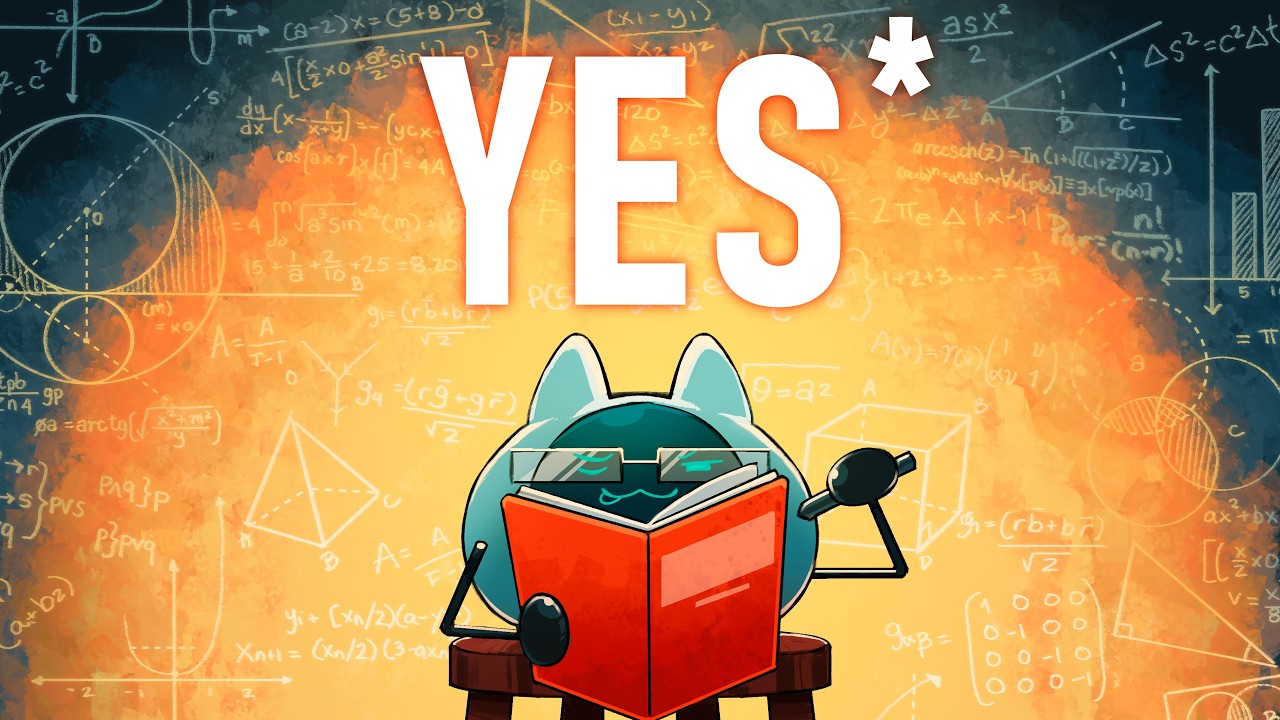
Modern AI systems demonstrate genuine reasoning and creativity beyond simple pattern matching, challenging the dismissal of them as mere 'stochastic parrots' that lack original thought.
Key Points
- The question of whether computers can generate original ideas dates back to Ada Lovelace in the 1830s and remains difficult to answer because 'originality' itself is hard to define.
- Recent interpretability studies show that AI systems actually understand concepts and relationships, not just memorise word patterns. For example, AI systems can reason through multi-step logic to answer questions correctly.
- Modern AI is trained in two phases: first predicting text patterns to gain background knowledge, then using reinforcement learning to solve complex problems that require planning, reasoning and creative thinking.
- AI systems like Aletheia have already discovered new publishable mathematical results by combining tools from different fields in novel ways, and other AI models are contributing to research in physics.
- Rather than debating whether AI meets an arbitrary standard of 'true creativity', the meaningful measure is the steady improvement in what AI can accomplish over time, with capabilities advancing from basic calculations to solving open research problems.
Why It Matters
The capability of AI systems to perform genuine reasoning and generate novel solutions has significant implications. If AI can truly understand concepts and solve complex problems creatively, the risks shift from simple failures to more subtle issues like unexpected generalisations, biased reasoning, and uncontrolled problem-solving approaches.
Risk managers and insurers must move beyond viewing AI as predictable rule-followers and instead assess the unpredictability that comes with systems that can reason independently and generate solutions humans cannot fully anticipate. The trend of AI improving at creative problem-solving suggests that managing AI risks will require new frameworks that account for genuine autonomy in decision-making and solution generation, rather than just monitoring for technical errors.
Additionally, as AI contributes to research and development, liability questions emerge around who is responsible for AI-generated discoveries or solutions that cause harm. The continuous expansion of AI capabilities means risk assessment must be dynamic and forward-looking rather than based on historical patterns of AI behaviour.
Original Video: https://youtu.be/Z7dH_Cxx75g