Quick Summary
OpenAI says its AI tools are moving into physical product design, from circuit boards to race cars and production vehicles, but human engineers are still needed to catch errors.
Key Points
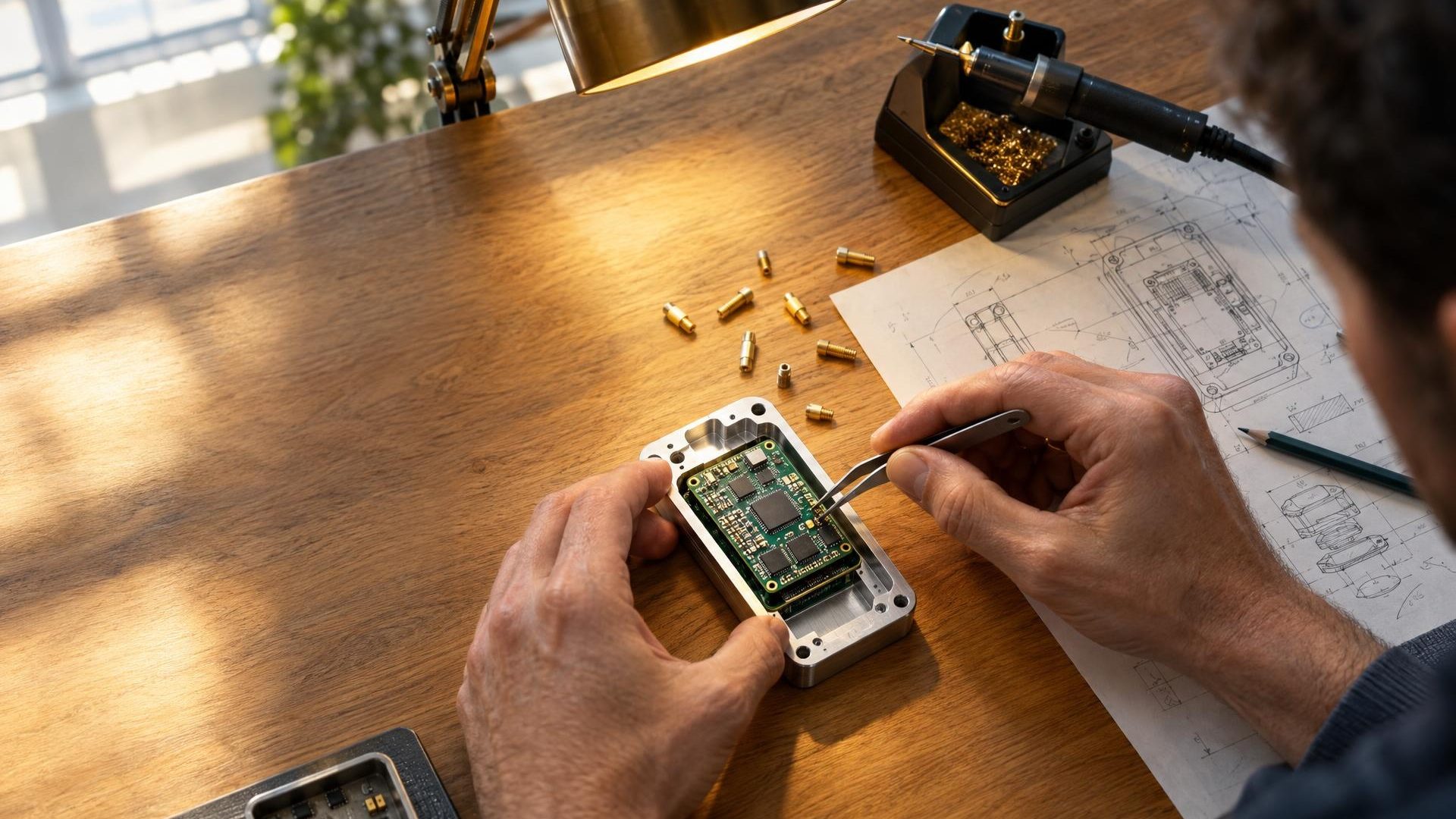
- Two OpenAI team members used GPT-6 Astra to design a prototype device for talking to Codex in under a week, as a side project. Astra handled the enclosure, circuit board, interface and software.
- OpenAI admits that getting the device ready for manufacturing still needed several rounds of review. The model did not consistently account for production limits, tolerances or assembly details.
- OpenAI is expanding its work with Chip Ganassi Racing (a professional motorsport team) to turn 3D scans of existing parts into editable CAD models and manufacturing drawings. The team’s engineers check the results for accuracy and manufacturability.
- OpenAI’s research and Forward Deployed Engineering teams are working with Mazda’s aerodynamics and crash-safety engineers. They use simulations of airflow and structural behaviour to explore new vehicle designs.
- OpenAI is looking for more collaborators in mechanical engineering, electrical engineering, electromechanical design and mechatronics to help shape how its models are trained.
- Model usage across OpenAI’s hardware teams has grown 23-fold since February, measured in tokens (the units used to count AI usage).
Why It Matters
AI is starting to shape physical products, where mistakes cost far more than in software. OpenAI itself says its prototype needed several rounds of review because the model missed production limits and assembly details. A design flaw that reaches the factory could mean product defects, costly rework, recalls or safety incidents. Products linked to crash safety and aerodynamics, such as the Mazda work, raise the stakes further. Fast adoption adds to the risk: the 23-fold rise in internal usage shows how quickly these tools can spread through daily engineering work, sometimes faster than controls can keep up. Questions about liability and accountability will follow. If an AI-assisted design fails, who is responsible: the engineer, the manufacturer or the tool provider? Companies should keep human sign-off on all AI-generated designs, record how AI was used, and check that their insurance cover reflects this new way of working.
Sources and fact-check
We checked the facts in this article against their original sources:
- Accelerating engineering for the physical world | OpenAI (OpenAI, 2026-11-03)
Source: LinkedIn