A Life Bigger Than Any Single Stage
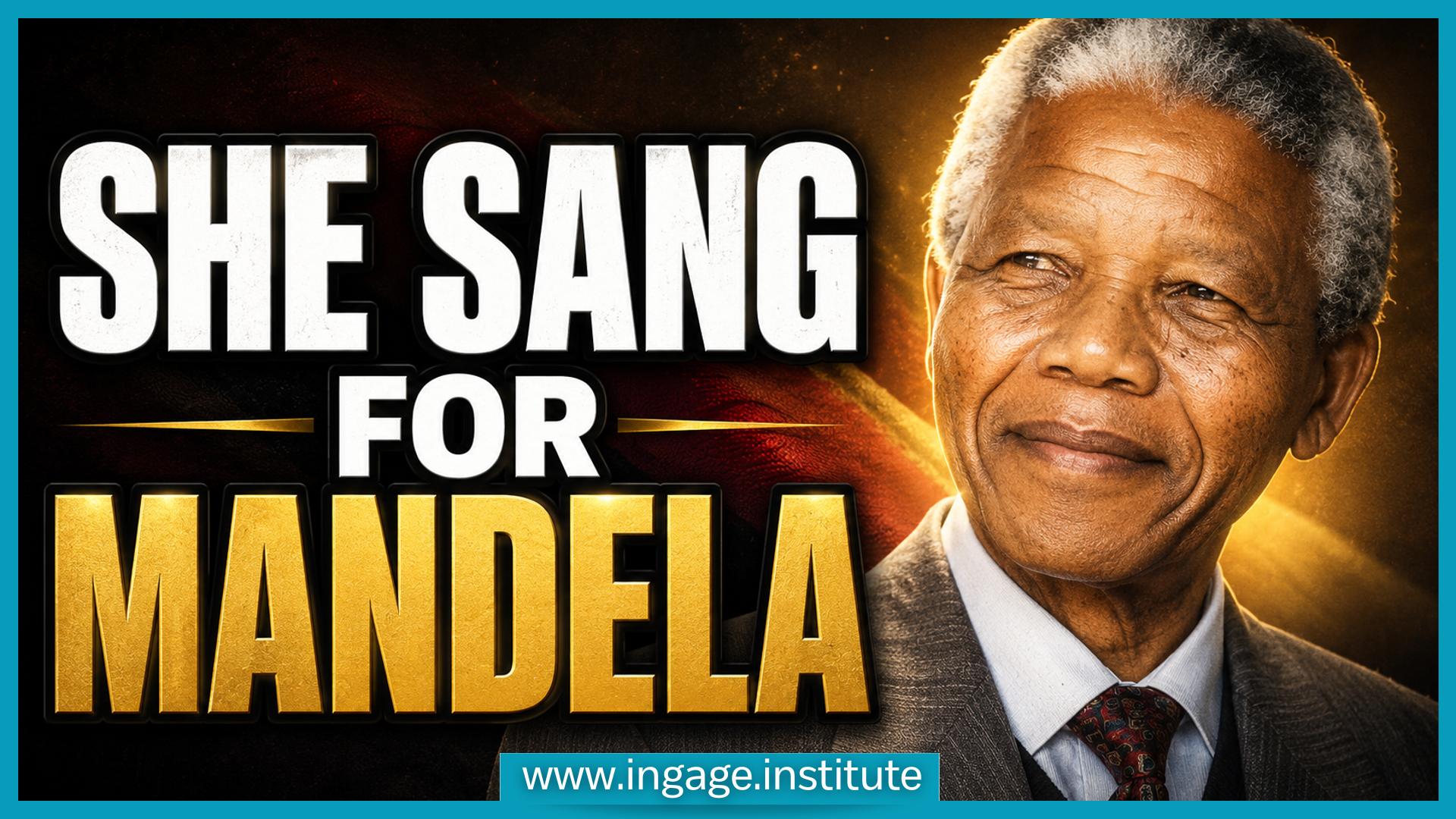
In this wide-ranging conversation, Tsidii Le Loka reflects on a career that defies easy categorization. A member of the original cast of The Lion King, a Tony Award nominee, and the only artist invited to sing at Nelson Mandela's post-release international press conference, Tsidii makes one thing clear from the start: no single achievement defines her. "Lion King. It's not Nelson Mandela's release. There are bigger, life-affirming frameworks of life that I came from," she says. Her perspective is shaped by growing up in apartheid Southern Africa, where music was never just entertainment but a form of contribution and communication.
The Girl Who Jumped Out the Window
Tsidii traces her performing instinct back to childhood in Lesotho, where at just 12 years old she sneaked out of her home through a window to compete in a hotel singing contest, having never held a microphone before. Her mother, rather than stopping her, showed up in the audience dressed impeccably and brought a tape recorder. "I don't know if the tape recorder was to celebrate the matter, or to get evidence," Tsidii laughs. That recording remains one of her most treasured possessions. The story captures the determined, self-driven spirit that has guided her ever since.
Mentorship, Grace Notes, and the True Meaning of Learning
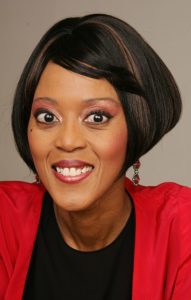
Tsidii speaks passionately about mentorship, crediting early guidance from established South African artists including Ladysmith Black Mambazo and Brenda Fassie for accelerating her growth. She is equally critical of systems that gatekeep talent, noting that institutions like Juilliard may not even recognize genius rooted in non-Western traditions. Her podcast, Tsidii's Grace Notes, reflects her broader philosophy: that life, like music, must be approached with gratitude. A grace note, she explains, is "embracing all of life with gratitude, the beautifying part of every experience."
Resilience, Risk, and Healing the World
On resilience, Tsidii is refreshingly direct. "I failed a million times. Who cares?" She believes failure is not the opposite of success but a necessary part of growth and self-discovery. Risk, she argues, is inseparable from a life in the arts or any meaningful pursuit. Looking ahead, her deepest wish is to use her artistry as a vehicle for healing: "The world needs healing. We have work to do, all of us as human beings." It is a vision that is, at its core, as much about humanity as it is about performance.