Quick Summary
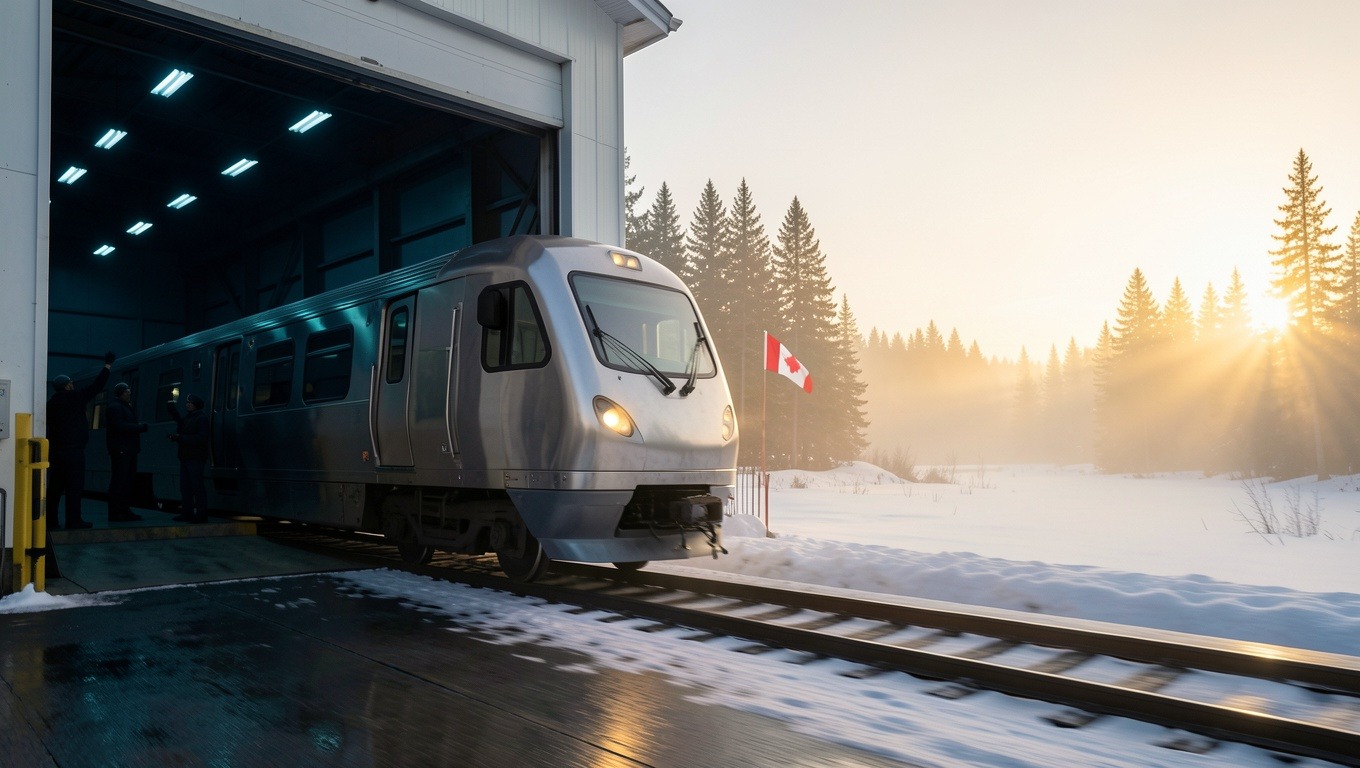
Canada's Prime Minister Mark Carney announced a $4.7 billion federal investment to manufacture 313 passenger railcars for VIA Rail domestically, marking the first time in 40 years that such production will occur in Canada rather than abroad.
Key Points
- The Canadian government is investing $4.7 billion to acquire, manufacture, and maintain 313 new passenger railcars for VIA Rail's long-distance, regional, and remote services.
- This is the first time in four decades that VIA Rail passenger cars will be produced and assembled in Canada, with manufacturing split between Thunder Bay, Ontario and La Pocatière, Québec, and design work in Saint-Bruno-de-Montarville, Québec.
- The project is expected to support approximately 700 jobs across Ontario and Québec and generate more than $1.6 billion in economic benefits.
- The railcars will be manufactured by Alstom Canada, shifting production away from the United States where VIA Rail's existing fleet was previously built.
Why It Matters
This announcement reflects a significant shift in Canadian industrial policy towards domestic manufacturing and supply chain resilience. For organisations involved in transportation, infrastructure, or supply chain management, this signals a potential increase in protectionist policies that could reshape procurement strategies and vendor relationships. The investment demonstrates government willingness to commit substantial capital to keeping manufacturing within national borders, which may influence future infrastructure projects and create new business opportunities in Canadian rail manufacturing. However, this approach also carries risks: the decision to move production domestically could increase costs compared to international alternatives, potentially affecting ticket prices or service availability for passengers. Additionally, the success of this venture depends on Alstom Canada's ability to deliver on schedule and within budget, which represents execution risk. For insurers and risk managers, this highlights growing geopolitical considerations affecting commercial decisions, as the announcement explicitly addresses concerns about relying on foreign manufacturing capacity. The project's timeline and performance should be monitored, as cost overruns or delays could set precedents for future government-backed industrial initiatives and may impact broader economic confidence in domestic manufacturing capabilities.
Source: Instagram