What Is Insurtech and Why Does It Matter?
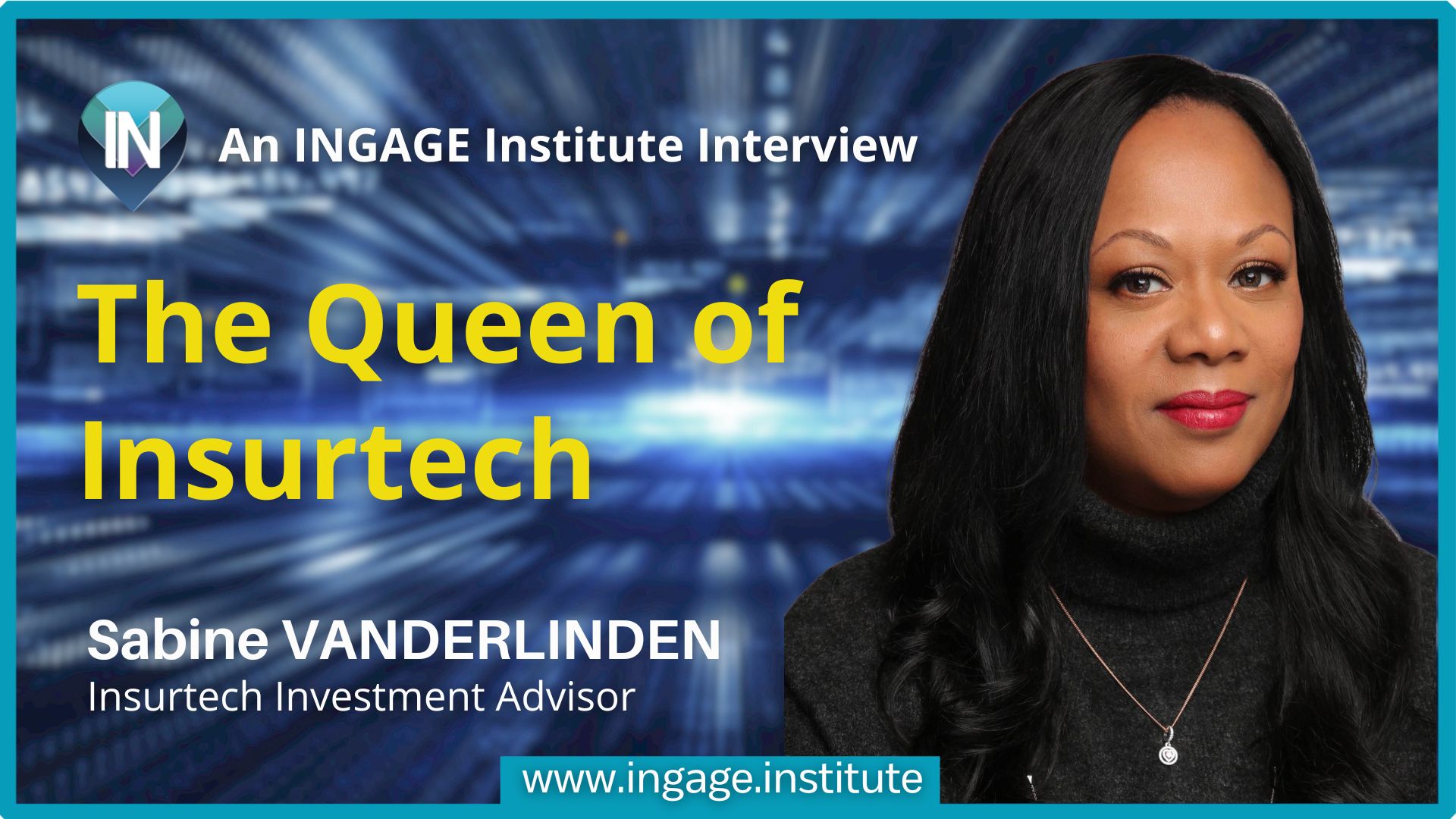
Sabine VanderLinden, investor and advisor in the insurtech space, joined Philippe Séjalon, co-founder of the INGAGE Institute, to explore the fast-evolving world of insurance technology. Insurtech, a subset of FinTech, represents approximately $67 billion in invested capital to date, roughly 10% of the broader $690 billion FinTech market. The term itself was coined around 2015, with AXA being one of the first insurers to formally embrace it by launching AXA Strategic Partners, a VC fund initially backed by up to $500 million.
How Investors Scout and Select Startups
VanderLinden explains that successful startup scouting relies on a combination of global hub relationships and technology databases. When evaluating investment opportunities, she prioritizes three factors: the diversity and commitment of the founding team, the clarity of the problem being solved and the technology used to address it, and the financial discipline of the startup, including whether founders have invested their own capital. Early-stage tickets currently range from $250,000 to around $2 million, while reaching unicorn status typically requires raising between $150 and $250 million over an average of seven years, though generative AI startups can achieve this in as few as five years.
Corporate VC vs. Traditional VC: Strategic Choices for Startups
VanderLinden draws a clear distinction between corporate venture capital (CVC) and traditional VC. While VCs focus primarily on financial returns for their limited partners, CVCs pursue strategic goals such as market access, technology partnerships, and innovation pipelines. Startups are advised to pursue both, depending on their target customer base and go-to-market strategy. She notes that among roughly 1,000 CVCs reviewed, only 30 belong to insurers, and of those, only about five are truly performing, highlighting a significant gap in the market.
Emerging Technologies and the Road Ahead
From blockchain powering parametric and microinsurance products to immersive metaverse environments being used for broker training, VanderLinden sees technology as a strategic enabler rather than an end in itself. She references the Chinese ABCD framework, combining artificial intelligence, big data, cloud, and blockchain, as a model for delivering affordable insurance to underserved populations. Her key advice for startups navigating turbulent times: stay visible, invest in marketing with a long-term view, and actively seek out corporate innovation or venturing teams to accelerate the often lengthy B2B sales cycle in insurance.
Discover INGAGE Institute
The INGAGE Institute is an innovative training solutions provider serving insurance companies worldwide. The company specializes in capturing and sharing expert knowledge through engaging interview-based formats designed for corporate learning and knowledge transfer. With a remote interview studio powered by AI, INGAGE Institute helps organizations preserve institutional expertise and make it accessible at scale. Their approach combines editorial expertise with cutting-edge production capabilities to deliver compelling content for internal and external audiences. To learn more about their services, visit the INGAGE Institute or reach out directly to explore how they can help your organization capture its most valuable knowledge.