Quick Summary
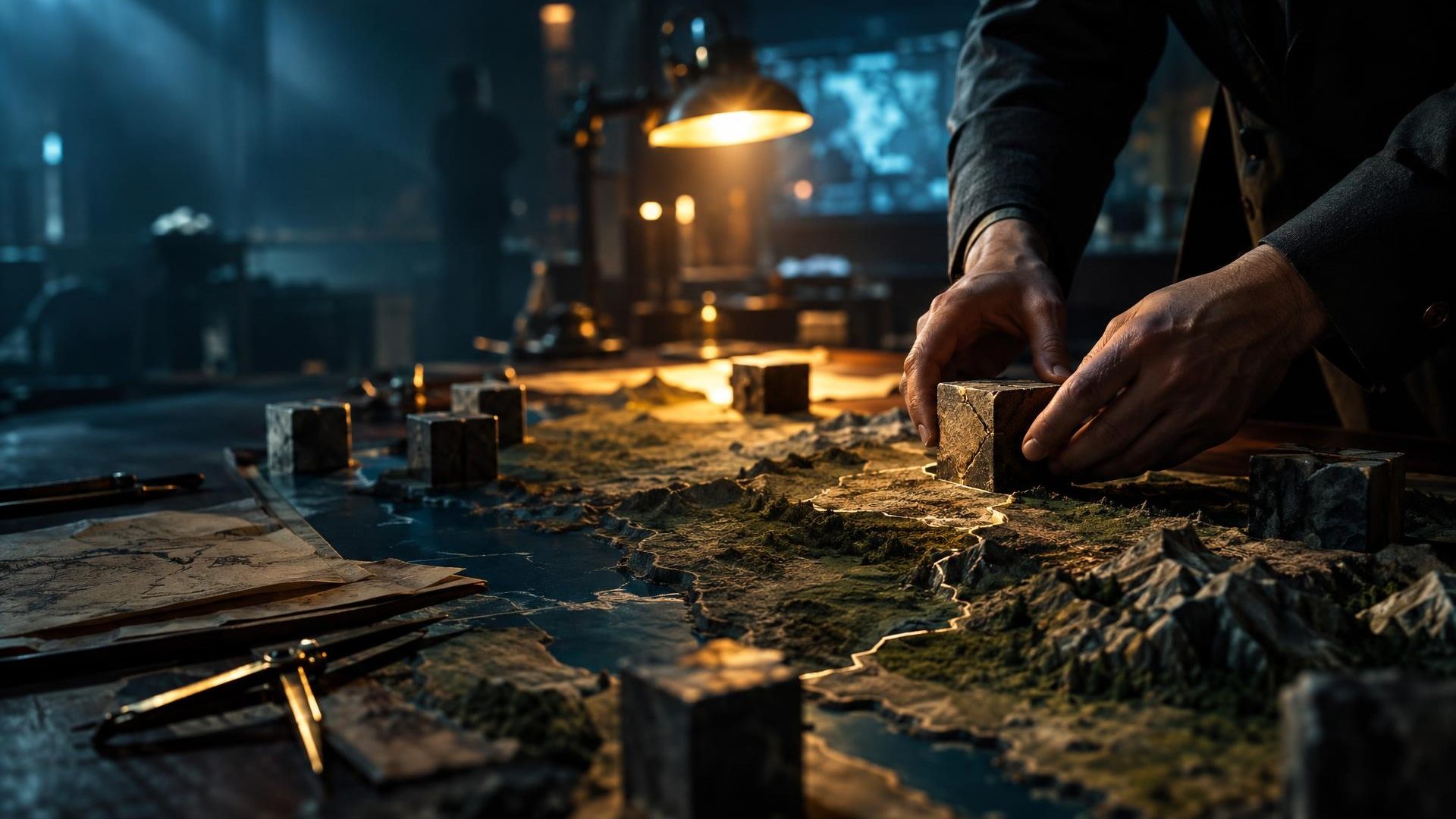
A month-by-month Minecraft video retells the First World War, from the 1914 Sarajevo shootings to the fall of four empires and the fragile peace that failed to stop another war within twenty years.
Key Points
- The war began after Archduke Franz Ferdinand, heir to the Austro-Hungarian throne, was shot in Sarajevo in June 1914. Alliances then pulled Europe’s major powers into war within weeks.
- Early hopes for a quick victory failed. By the end of 1914, trenches ran from the Belgian coast to Switzerland, and the war became a long and costly struggle.
- The war brought new dangers: poison gas, tanks, aircraft and submarine attacks on shipping. The sinking of the Lusitania and U-boat attacks later helped bring the United States into the war in 1917.
- Russia left the war in 1918 after revolution and signed a peace with Germany. Germany then gambled on a big offensive, but it failed, and the Allies pushed back with fresh American troops.
- Germany’s allies gave up one by one, and the armistice was signed on 11 November 1918. About nine million soldiers died, plus millions of civilians. A deadly influenza pandemic also swept the world at the end of the war.
- Four empires (German, Austro-Hungarian, Russian and Ottoman) collapsed, and new nations such as Poland, Czechoslovakia and Turkey emerged. The Treaty of Versailles left Germany resentful, and the League of Nations lacked American membership.
Why It Matters
The story shows how fast a local event can grow into a global crisis when states are tightly linked by alliances, trade and mutual distrust. Small shocks can spread quickly, and leaders often underestimate how long and costly a conflict will be. The war also shows how new technology can change risk overnight, from submarines hitting shipping to blockades causing hunger and unrest. It disrupted trade, destroyed assets, and caused huge human and financial losses. The collapse of old empires reshaped borders, governments and markets, creating lasting political instability. A harsh peace settlement and weak international cooperation helped set the stage for another war. For anyone assessing political, supply chain or security risk, the lesson is clear: escalation can be sudden, and the aftermath can create new risks that last for decades.
Source: X